
The rainy season has officially arrived across Japan. With hot, humid days alternating with gloomy, chilly ones, it can be a challenging time to maintain our physical well-being. The drop in air pressure may disrupt the autonomic nervous system, leading to chronic sluggishness, while the high humidity hinders the body’s fluid balance, often causing chilliness and bloating. It is a time when our bodies struggle to adapt to these sharp, sudden temperature swings. Furthermore, the damp, warm air creates ideal conditions for mold and bacteria to thrive, demanding extra care and resourcefulness in how we manage our food and household environments.
The Wisdom of Our Ancestors: Harnessing the Power of Ume to Overcome a Harsh Season
Right at this time of year, green plum trees bear their plump, round fruit. As vibrant ao-ume (green plums) begin to line supermarket shelves, many of you might look forward to making homemade umeboshi (pickled plums) or plum syrup. While ume is deeply woven into our modern daily lives, the people of ancient Japan did not fight against this change in environment; instead, they successfully navigated it by thoughtfully integrating the power of nature into their lives.
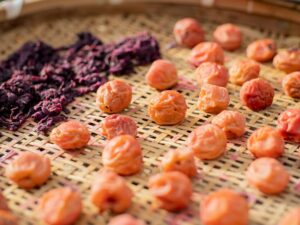
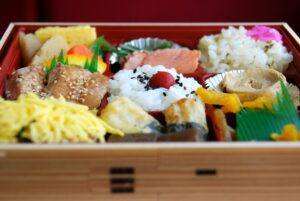
The history of umeboshi runs deep, with salt-pickling methods established as early as the Heian period (794 to 1185) to maintain health and prevent illness. Although the rainy season brings a physical risk of rapid bacterial growth, the citric acid and other natural compounds found in ume possess powerful antibacterial and preservative properties. Our ancestors ingeniously leveraged this by placing an umeboshi in their bento boxes to protect their food. Drawing on the power of familiar plants to sustain wellness is the very origin of sustainable living, passed down through generations.
Bringing the Blueprint of Nature into Modern Skincare
This ancient wisdom of borrowing from nature to protect our well-being is the foundation of product development at NAMOW.
Our commitment to vegan formulations, traditional East Asian botanicals, and cutting-edge fermentation technology is not a mere marketing trend. It is the direct result of our earnest dedication to providing uncompromising gentleness so that anyone, regardless of skin type, sensitivity, or cultural background, can use our products with peace of mind. By sincerely addressing these challenges, we arrived at the immense potential of plants, a potential proven by our ancestors over centuries.
Being faithful to the skin in front of us and respecting nature can beautifully coexist. Instead of exploiting or depleting natural resources, we design our products by thoughtfully drawing on nature’s wisdom. Ultimately, this approach leads to a sustainable path, one that remains infinitely gentle on our delicate skin while placing no burden on the future of our planet.
Though the season tends to feel gloomy, let us cherish a soothing moment of pause to comfort both mind and body with the gentleness of nature through our daily self-care rituals.
Also read this blog:
The Story Behind NAMOW and Beauté de Pivoine
📌 What is Umeboshi? (Japanese Pickled Plums)
Umeboshi are traditional Japanese pickled plums known for their distinctively sour and salty flavor. Harvested during the rainy season (Tsuyu) in June, these green plums (Ume) are salted and sun-dried to create a staple of Japanese wellness that has been cherished for over a thousand years.
Why it matters for wellness:
- Antibacterial & Preservative Power: In Japan, it is a long-standing tradition to place an umeboshi in the center of a rice bento box. The high concentration of citric acid naturally inhibits the growth of bacteria, making it an ancient form of food safety during the hot and humid months.
- Fatigue Recovery: The extreme sourness comes from organic acids, which help break down lactic acid in the body. It is widely eaten to combat the physical sluggishness and fatigue caused by the severe weather shifts of the rainy season.