In the first part of this series, we looked at how family life in Japan has gradually changed over the years, and how having a “third place” outside the home or workplace can bring a little more comfort and peace of mind to our daily lives.
This time, we’d like to journey a little further back in time.
By looking at the history of Terakoya, the community learning spaces of Japan’s Edo period, we’ll explore how their spirit continues to inspire NAMOW’s community initiative, My Choice Terakoya.
Community Learning Born from a Changing Society
The word Terakoya literally means “temple school.”
Its origins date back even before the Edo period, when Buddhist temples provided education for children from local families. Over time, this tradition grew into what became known as Terakoya.
In 1603, after many years of civil war, Tokugawa Ieyasu established the Edo Shogunate, ushering in a long period of peace. Japan entered a new era of building towns, villages, and communities, and daily life began to change in many ways.
As society became more organised, people increasingly needed practical skills. Reading official notices, completing government paperwork, buying and selling land, and running businesses all required reading, writing, and arithmetic.
As these needs grew, Terakoya naturally began appearing in communities throughout Japan.
So, What Exactly Was a Terakoya?
Unlike today’s schools, Terakoya were privately run learning spaces created by local people, for local people.
Anyone who felt confident in their reading and writing skills could become a teacher. No government approval or special social status was required.
Because of this, Terakoya quickly became part of everyday community life. At their peak, it is said that even small villages often had one or two schools.
In the early years, many teachers were Buddhist monks. Later, however, physicians, merchants, village leaders, and other respected members of the community also became teachers, sharing both knowledge and life experience with the next generation.
Many of the physical buildings of these Terakoya and early schools still stand today.
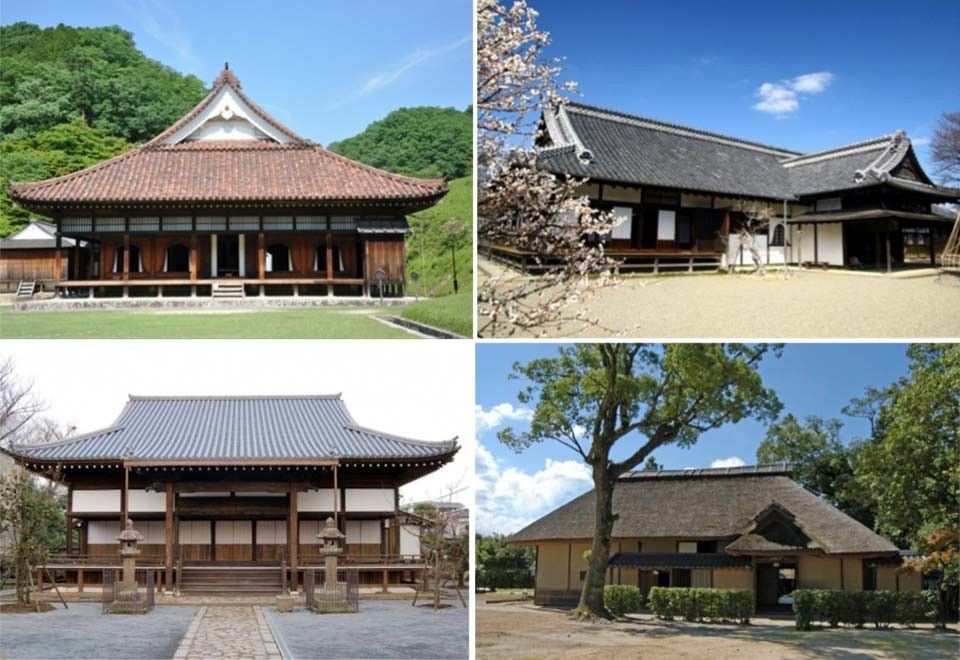
Source: Japan Heritage Official Site, Educational Heritage of Early Modern Japan: The Origins of Learning and Courtesy (STORY #001). Upper Left: Shizutani School / Upper Right: Former Kodokan / Lower Left: Main Hall of Chofukuji Temple / Lower Right: Kangien Site (Shufuan). The Japan Heritage Official Site introduces historic buildings remaining across Japan along with the stories behind them.
Learning for Everyday Life
Learning at a Terakoya looked quite different from the classrooms we know today.
Rather than teaching every child the same lesson at the same time, teachers worked closely with each student, tailoring lessons to match their age, ability, and future path in life.
Children began with familiar things. They learned to read and write the names of family members and neighbours, the names of their own villages, and eventually the names of places throughout Japan.
As they grew, so did their studies.
They learned practical skills for everyday life, from commerce and bookkeeping to understanding official documents and contracts. These were lessons designed not simply to pass exams, but to help children build their future.
Students who progressed further sometimes read classical Japanese works such as Tsurezuregusa or the Manyoshu, developing a deeper appreciation for Japanese literature and culture.
Terakoya were also much more than places to study.
Throughout the year, children gathered to celebrate the changing seasons together. At New Year they practised Kakizome, writing their first calligraphy of the year. During Tanabata, they wrote wishes on colourful strips of paper and hung them on bamboo branches.
In this way, children nurtured not only knowledge, but also an appreciation for Japan’s beautiful seasons, traditions, and culture.
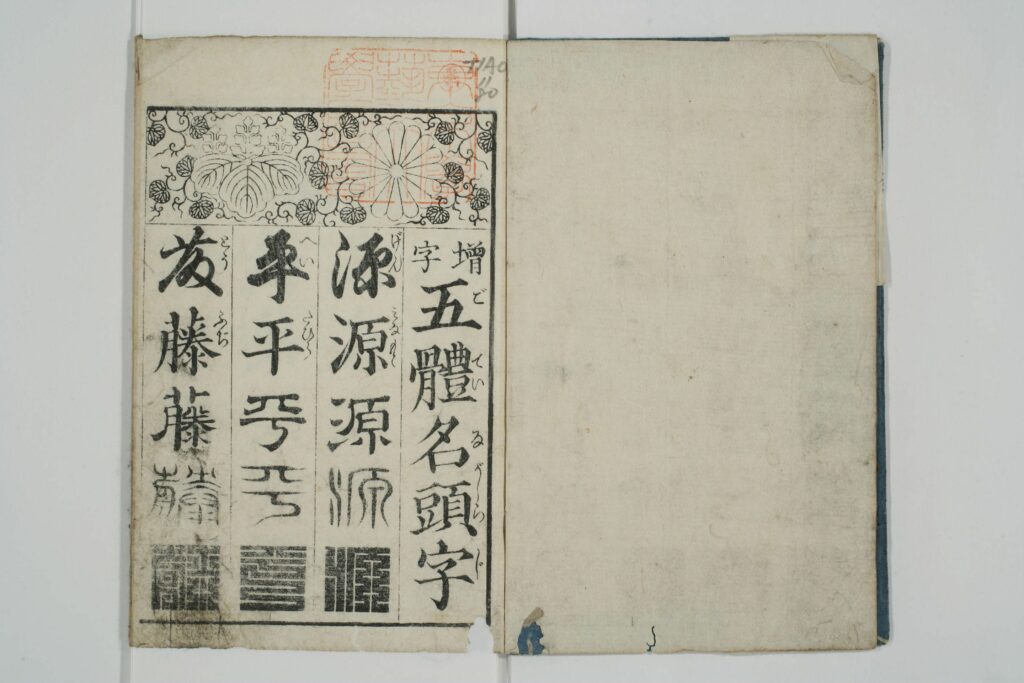
Source: Tokyo Gakugei University Educational Content Archive, Terakoya Learning and Ouraimono (Edo-period Textbooks). Photo from Zoji Gotai Nagashiraji (A textbook of common surnames and names).
A Glimpse of Everyday Life Through Senryu
One of the reasons we know so much about everyday life during the Edo period is through Senryu. Unlike haiku, which often focus on nature, Senryu are short poems that gently capture the humour, emotions, and ordinary moments of people’s daily lives. Many of these poems offer small but touching glimpses into the relationships between parents, children, teachers, and neighbours.
Here are a few that beautifully capture the warmth of those days.
From the First Horse Day, husband and wife can finally catch their breath.
The First Horse Day in February was traditionally a time when many children began attending Terakoya.
As children started school, parents found themselves with a small moment to breathe. Even today, many parents can probably relate to that quiet feeling of relief.
Another poem reads:
During Tanabata, the teacher’s paper hangs highest.
During the Tanabata festival, children displayed their teacher’s wish above their own, expressing their gratitude and respect.
And finally:
A teacher’s kindness remains in our eyes, hands, and ears forever.
The ability to read, write, and understand the world became a lifelong gift from teacher to student. Even after growing into adulthood, many former students maintained warm relationships with their teachers throughout their lives.
Carrying That Spirit Into the Present
Looking back at the Terakoya of the Edo period, it’s easy to see that they offered much more than education.
They were places where children could grow with confidence, where parents could find a little breathing room, and where neighbours naturally supported one anotherPerhaps this kind of warm community space is exactly what many of us are looking for today.
Inspired by this spirit, NAMOW created My Choice Terakoya.
Our hope is to provide parents and families with another place where they can feel safe, supported, and free to be themselves.
With the warm support of local organisations and community partners, we’ve already held several events, including:
- Session 1: Parent and Child Medicinal Cooking Workshop
In partnership with Saimi Green Kitchen - Session 2: Emergency First Aid Experience
In partnership with the Owariasahi City Fire Department and MOLZA Co., Ltd. - Session 3: Buddha Bowl Cooking and English Conversation Workshop
In partnership with vegan nutritionist Leonore and Kuretake Co., Ltd.
With each gathering, more smiles are shared among parents, children, and local residents. Little by little, My Choice Terakoya is growing into a place where people can learn together, connect with one another, and feel supported by their community.
We warmly invite you to visit our blog to read more about each event and the wonderful stories that unfolded throughout the day.
Continuing to Create Places Where Everyone Belongs
My Choice Terakoya is a place where everyone is welcome.
Parents, grandparents, and children can all join together.
Children don’t have to sit perfectly still. They can laugh, chat, ask questions, or even cry if they need to. That’s all part of learning and growing together.
Rather than feeling like we always have to push ourselves a little harder, we hope people leave thinking,
“I feel a little lighter today.”
“I can breathe a little easier.”
By creating opportunities for learning, connection, and wellbeing, we hope to gently weave more places of comfort and belonging into our communities.
If our activities can make everyday life feel just a little calmer, and bring a few more smiles to the people around us, then we’ll be truly grateful.
We look forward to continuing this journey together with all of you.
▶︎▶︎ This blog is published as part of the My Choice Project.
What is NAMOW’s “My Choice”?
“My Choice” is an initiative by NAMOW Co., Ltd. dedicated to enhancing mind and body well-being. To help everyone shine in their own unique way, we provide insightful content, host campaigns, and offer “My Choice Terakoya”—a welcoming space designed to broaden your everyday choices through meaningful learning and self-discovery.