Introduction
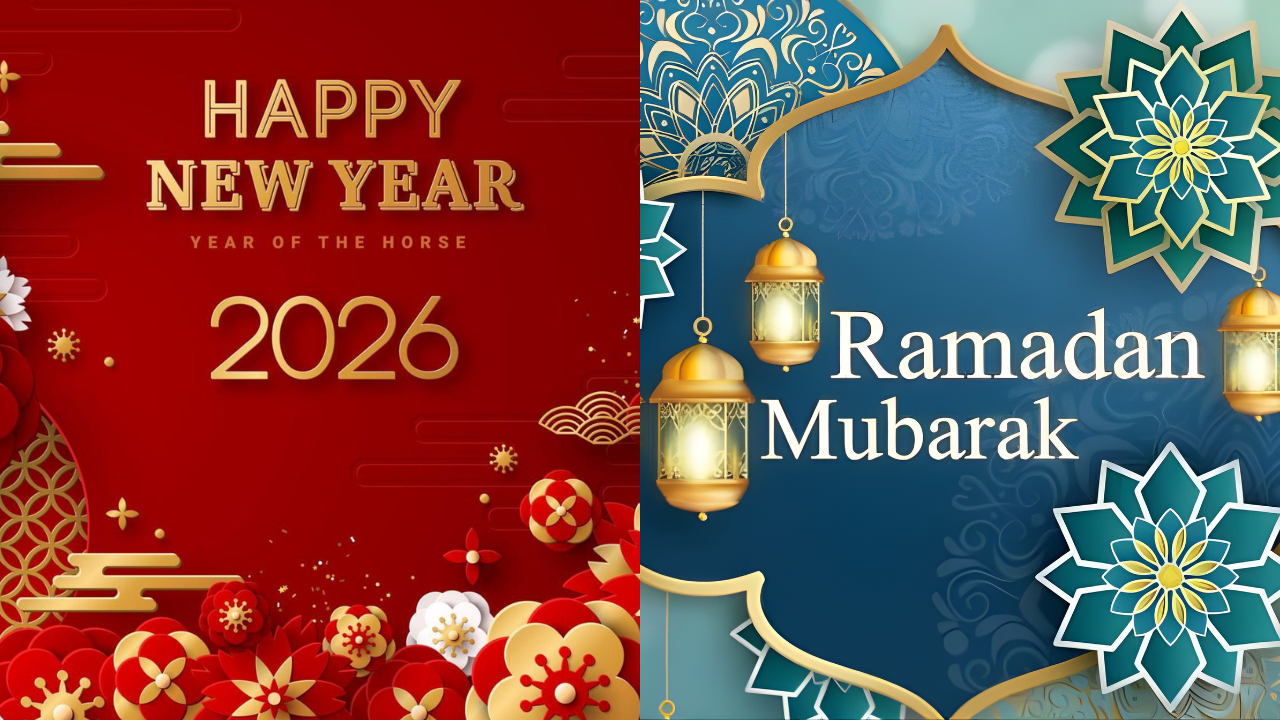
Today, Tuesday 17 February, marks a meaningful moment on the global calendar: Ramadan and Lunar New Year 2026 fall almost simultaneously, with Chinese Lunar New Year beginning on 17 February and Ramadan expected to begin within the next day or two depending on local moon sighting and calculation methods. Because each observance follows its own lunar system, exact start dates shift year to year; Ramadan in particular begins at sunset when the new crescent is sighted (or when local authorities accept astronomical calculations), which is why its start can vary by country. Occasions when these observances fall so close together are special reminders of how diverse traditions can intersect.
What is Ramadan?
Ramadan is the holiest month in Islam, observed by Muslims worldwide across the Middle East, Southeast Asia, Africa, Europe, and beyond. Its origins date back more than 1,400 years, to when Muslims believe the first verses of the Qur’an were revealed to the Prophet Muhammad. For this reason, Ramadan is a time of deep spiritual reflection, self-discipline, and renewed focus on faith and community.

The crescent moon marks the beginning of Ramadan.
From dawn until sunset, adult Muslims fast from food and drink, using the day for prayer, mindfulness, and acts of generosity. At sunset, families and communities gather for iftar, the meal that breaks the fast, traditionally beginning with dates and water. Depending on the region, the evening meal may include soups, rice dishes, grilled meats, shared plates, and traditional sweets enjoyed after the fast.
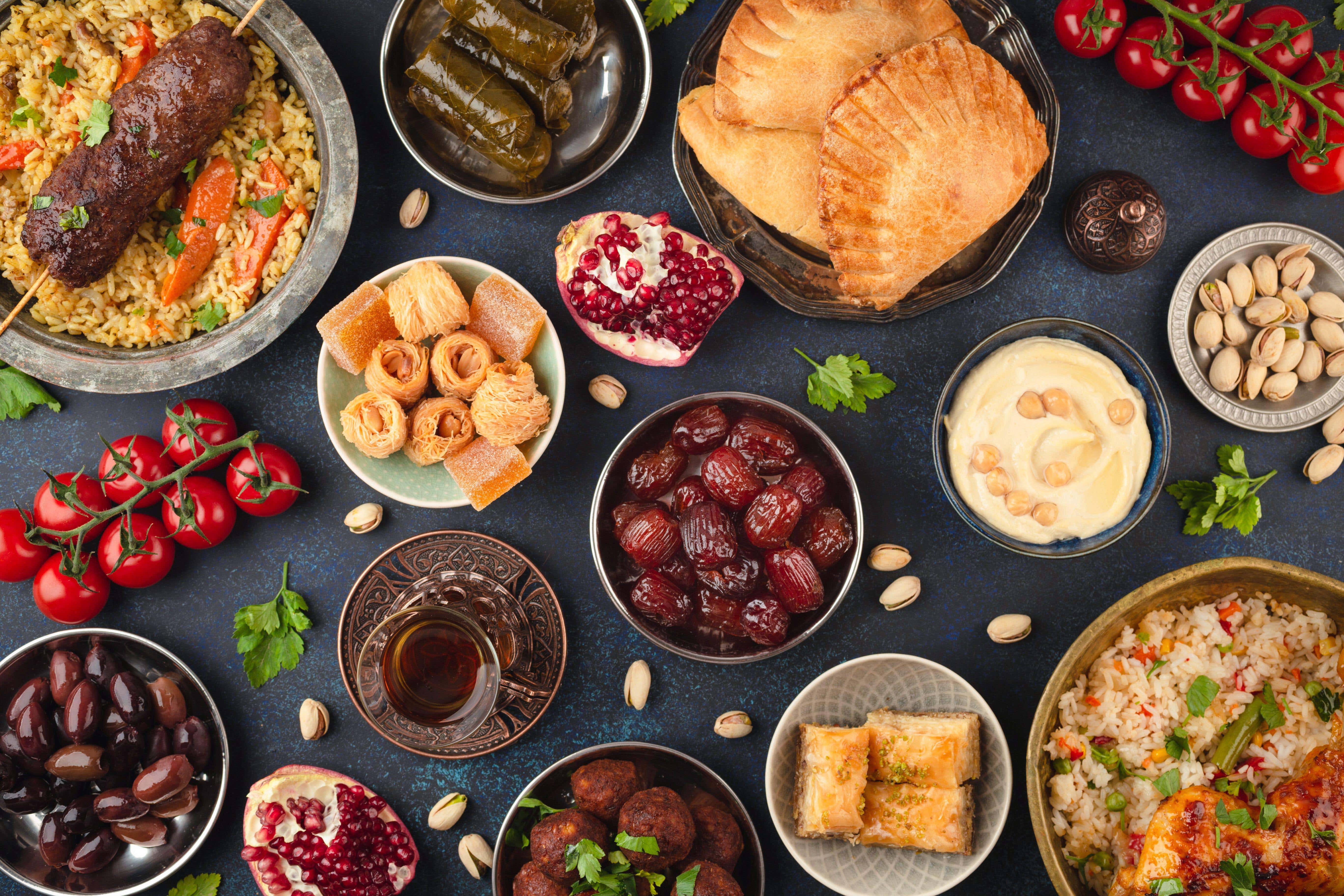
An iftar table filled with flavors that celebrate Ramadan
Throughout the month, many people increase charitable giving, strengthen family ties, and spend more time in communal prayer or reflection. Ramadan concludes with Eid al-Fitr, a major celebration marked by prayers, visits, and festive meals shared with loved ones.
What is Chinese Lunar New Year?
Chinese Lunar New Year, also called the Spring Festival, is one of the most important traditional celebrations in China and widely observed in places such as Taiwan, Singapore, Malaysia, Vietnam, and Chinese communities around the world. With a history stretching back thousands of years, it marks the beginning of a new lunar year and symbolises renewal, prosperity, and fresh beginnings.
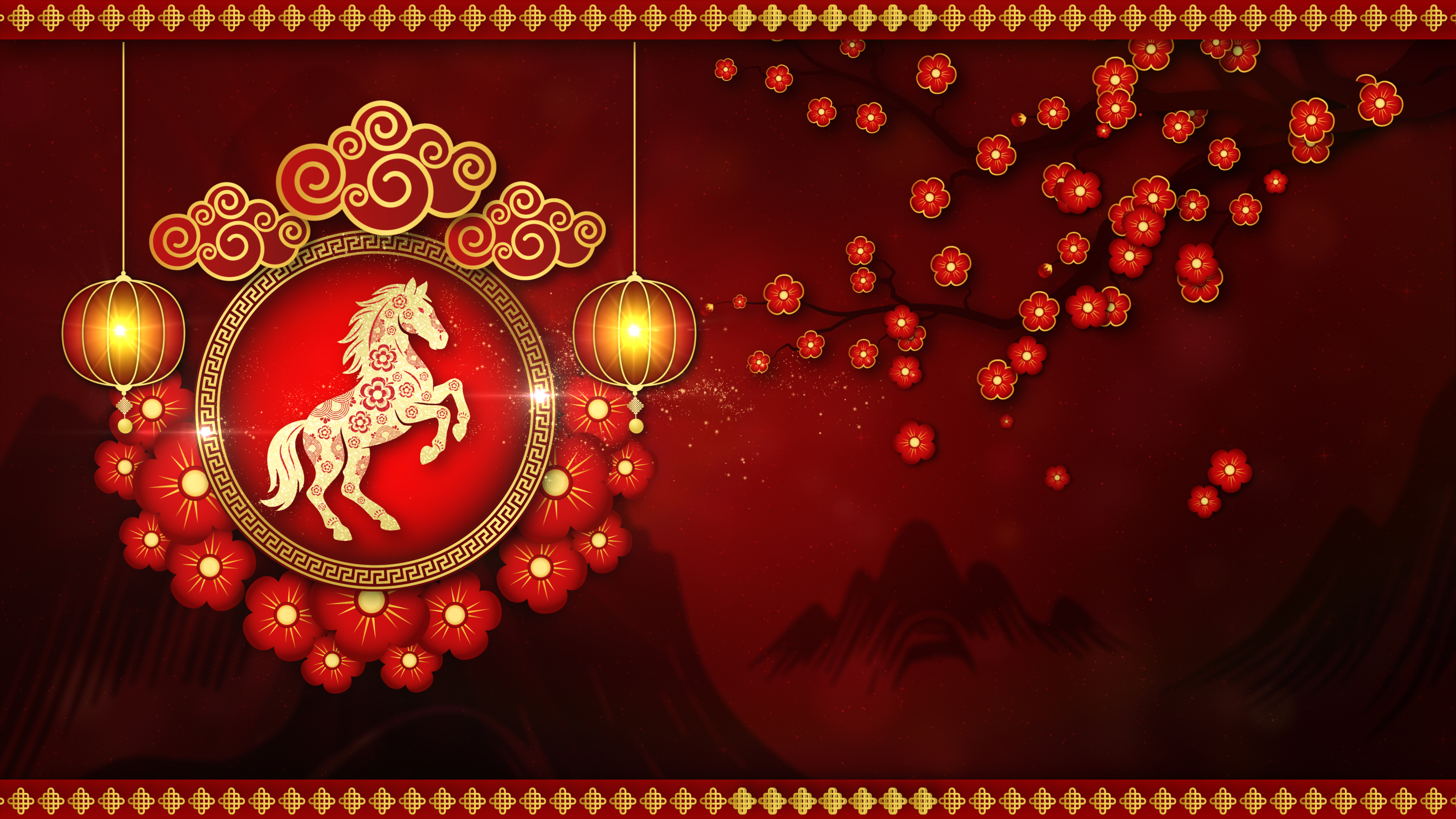
Welcoming the Lunar New Year with the spirited energy of the Horse.
In the lead-up to the New Year, families often clean their homes to symbolically sweep away past misfortune and prepare for good luck. Celebrations begin with a reunion dinner on New Year’s Eve, where families gather to share symbolic foods chosen for their meaning. Dumplings often represent wealth, fish symbolises abundance, long noodles represent longevity, and sweet rice cakes are associated with growth and good fortune in the year ahead.

A vibrant New Year table honoring tradition through food.
Festivities continue with visits to relatives, red decorations and lanterns, lion or dragon dances, fireworks, and the giving of red envelopes containing money as wishes for prosperity and success. Each year is also linked to one of the twelve zodiac animals, adding cultural significance to the new cycle.
A Shared Moment of Renewal
Although Ramadan and Chinese Lunar New Year arise from different religious and cultural traditions, both emphasise reflection, gratitude, generosity, and time with loved ones. The coincidence of their shared start highlights how diverse traditions can align in their deeper message: a chance to pause, reset, and begin anew.
At NAMOW, we are proud to work with partners and communities across cultures, and we celebrate the traditions that bring people together. NAMOW values the connections between different cultures and regions in everything we do, and the overlap of Ramadan and Lunar New Year 2026 is a meaningful reminder of those shared connections. We hope this unique day marks the beginning of a season filled with peace, health, and new opportunities for all who observe.
Wishing everyone a meaningful Ramadan and a joyful Lunar New Year.
NAMOW values the connections between different cultures and regions in everything we do.
Learn more about us on our Company Profile page.